(
(
Color
Color
)
)
Color is never just color.
Color is never just color.
Colour is part of the structure, not the decoration.
Colour is part of the structure, not the decoration.
by
Studio invicta
3
min read
Colour is often one of the first things we notice in a design, but rarely just an aesthetic decision.
At Studio Invicta, colour is treated as part of the system a way to organise information, establish rhythm, create recognition and shape how an experience is read.
Across projects such as Romaria do Meu Coração and Shape Your City, colour performs very different roles. In Romaria, it carries cultural memory, celebration and vernacular expression. In Shape Your City, it becomes an active framework - organising participation, orientation and collective input.
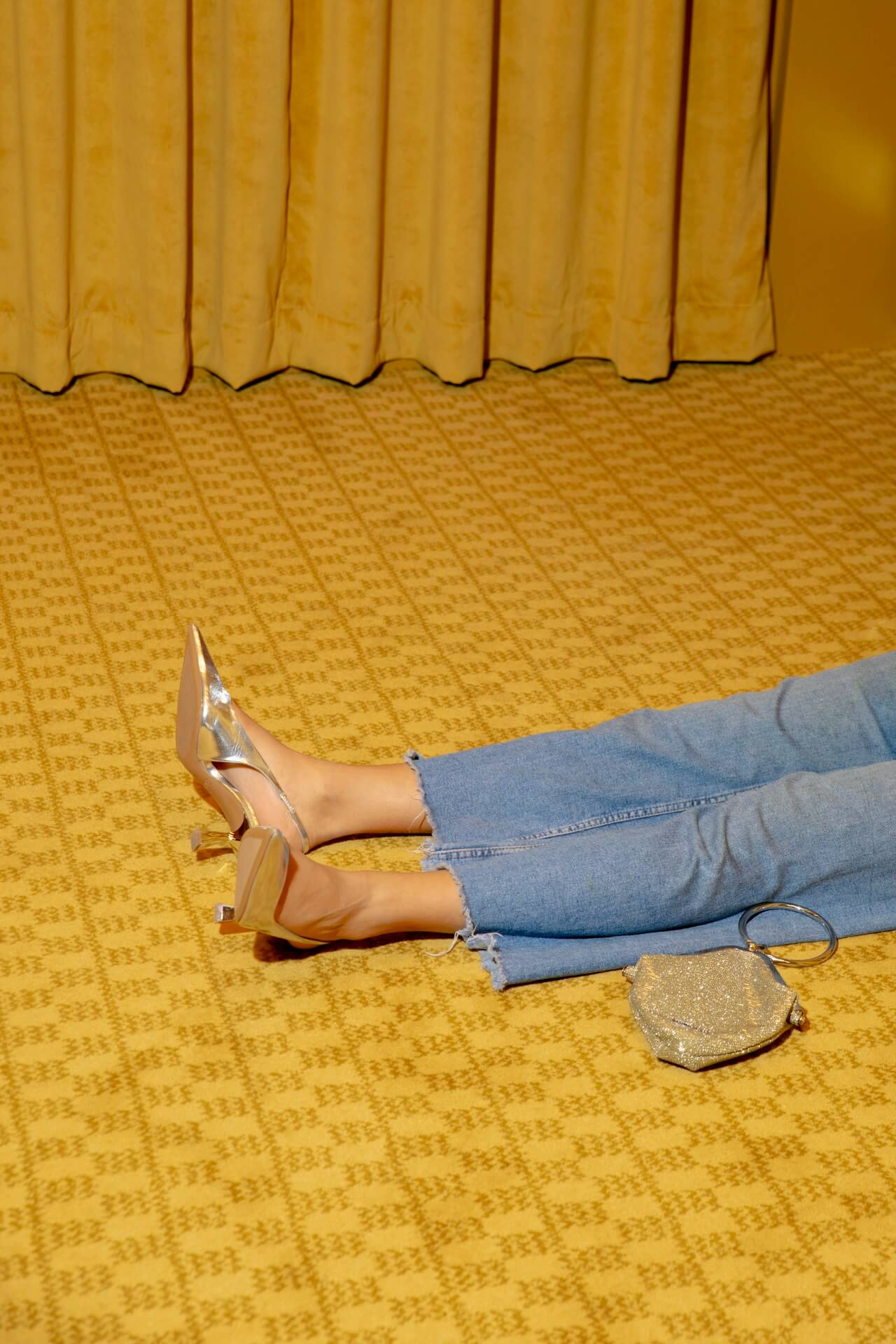
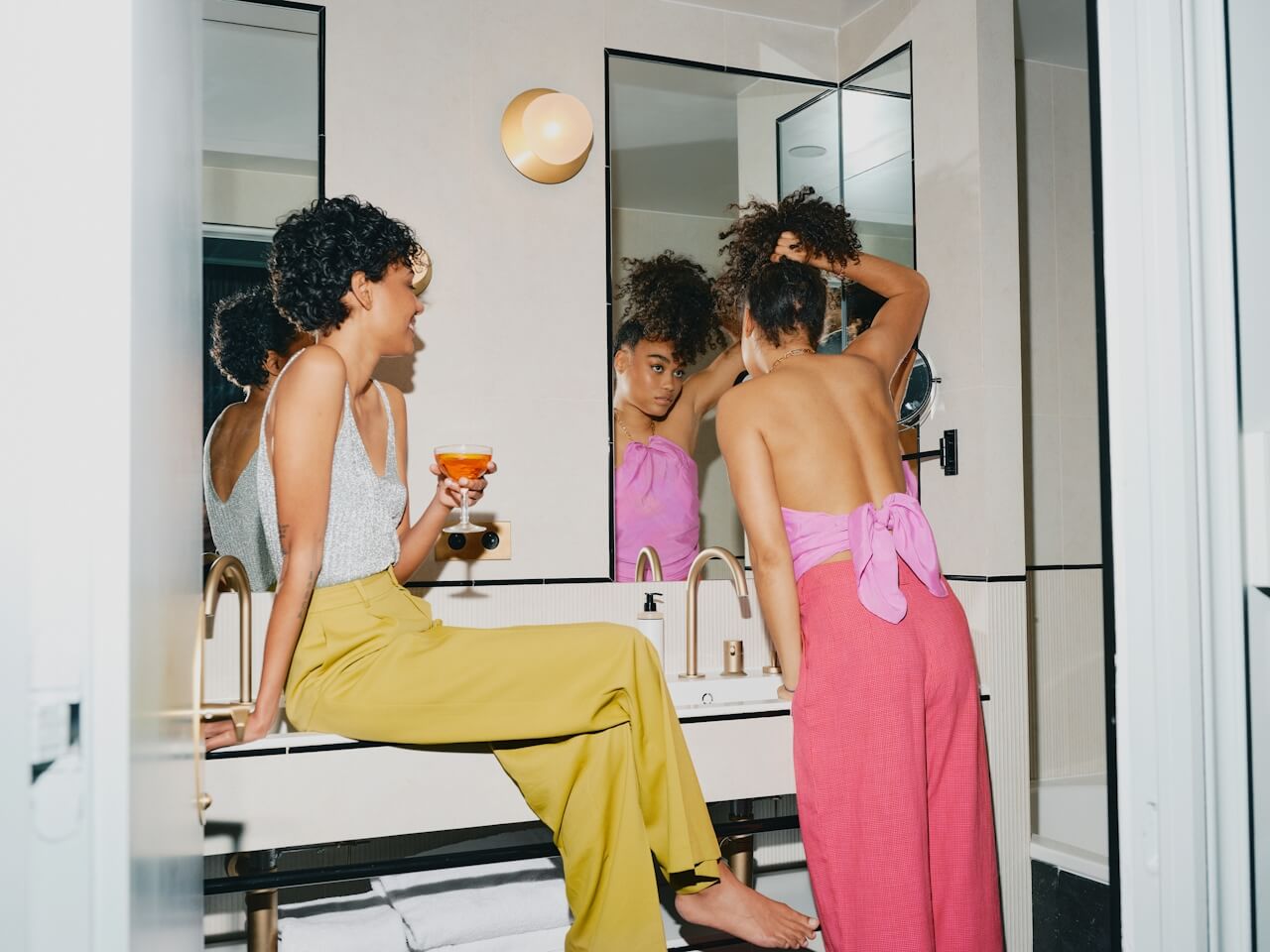
But colour also works before it is read. It changes atmosphere, directs attention and alters our perception of space. Through scale, contrast, light, material and movement, colour can shift from graphic language to sensory experience.
This is where it becomes particularly interesting to us. Colour can move beyond the surface and become spatial, emotional and immersive - something that is not simply seen, but felt.
We never consider colour in isolation. We look at how it behaves across different media, materials and scales; how colours interact with one another; how they respond to light and movement; and how their meaning changes with context.
The palette changes. The role is never accidental.
For us, colour is at its most powerful when it stops behaving like a surface treatment and starts operating as structure, atmosphere and experience.
Colour is often one of the first things we notice in a design, but rarely just an aesthetic decision.
At Studio Invicta, colour is treated as part of the system a way to organise information, establish rhythm, create recognition and shape how an experience is read.
Across projects such as Romaria do Meu Coração and Shape Your City, colour performs very different roles. In Romaria, it carries cultural memory, celebration and vernacular expression. In Shape Your City, it becomes an active framework - organising participation, orientation and collective input.
But colour also works before it is read. It changes atmosphere, directs attention and alters our perception of space. Through scale, contrast, light, material and movement, colour can shift from graphic language to sensory experience.
This is where it becomes particularly interesting to us. Colour can move beyond the surface and become spatial, emotional and immersive - something that is not simply seen, but felt.
We never consider colour in isolation. We look at how it behaves across different media, materials and scales; how colours interact with one another; how they respond to light and movement; and how their meaning changes with context.
The palette changes. The role is never accidental.
For us, colour is at its most powerful when it stops behaving like a surface treatment and starts operating as structure, atmosphere and experience.